ServicesShingle Roofing
Shingle Roofing in Indianapolis
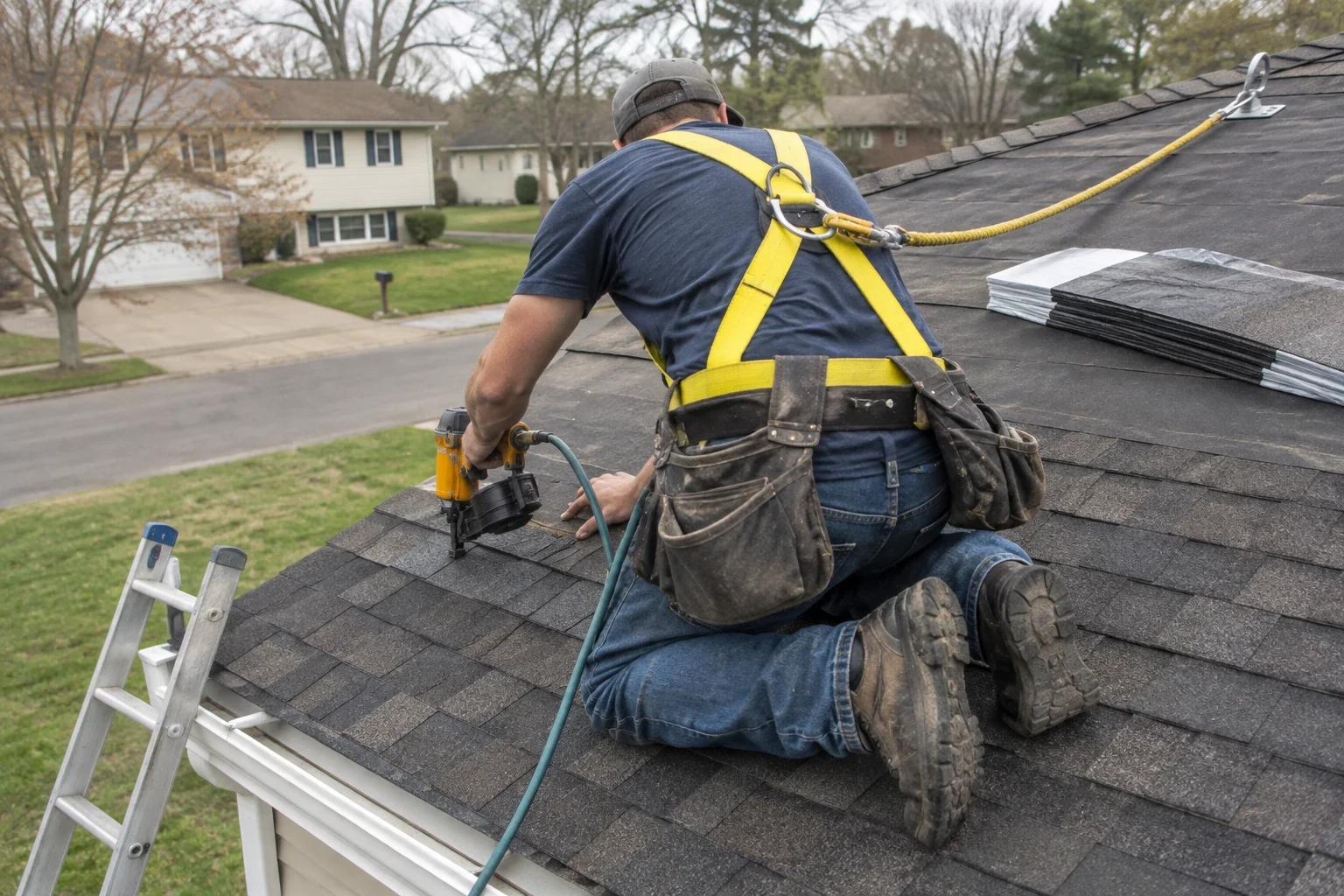
We install asphalt shingle roofs the careful way: solid decking, the right underlayment, and attic ventilation that lets heat and moisture escape. You get a roof that sheds water, keeps upstairs rooms more comfortable and gives your heating and cooling system less work.
Why the parts under your shingles matter most
Asphalt is the most common roofing on houses in and around Indianapolis, and it earns that spot. It stands up to rain, snow and wind, comes in a wide range of colors and costs less to install than metal. How many years you get from it, though, depends on the layers hidden beneath: the decking, the underlayment, the flashing around walls and chimneys, and the airflow through your attic.
Attic airflow is where comfort and energy bills come in. When an attic traps summer heat, it cooks the shingles from underneath and radiates warmth into the bedrooms below. In winter, heat slipping into a stale attic melts snow on the roof, and that water freezes again at the colder eaves, forming ice dams. On every shingle roof we install, we pair soffit intake with ridge exhaust so the attic tracks the outdoor temperature more closely in every season.
Sometimes a roof just needs a few trouble spots fixed. If that's your situation, roof repair could make more sense than a new roof, and we'll say so plainly.
What a new shingle roof from us includes
Tear-off to the deck
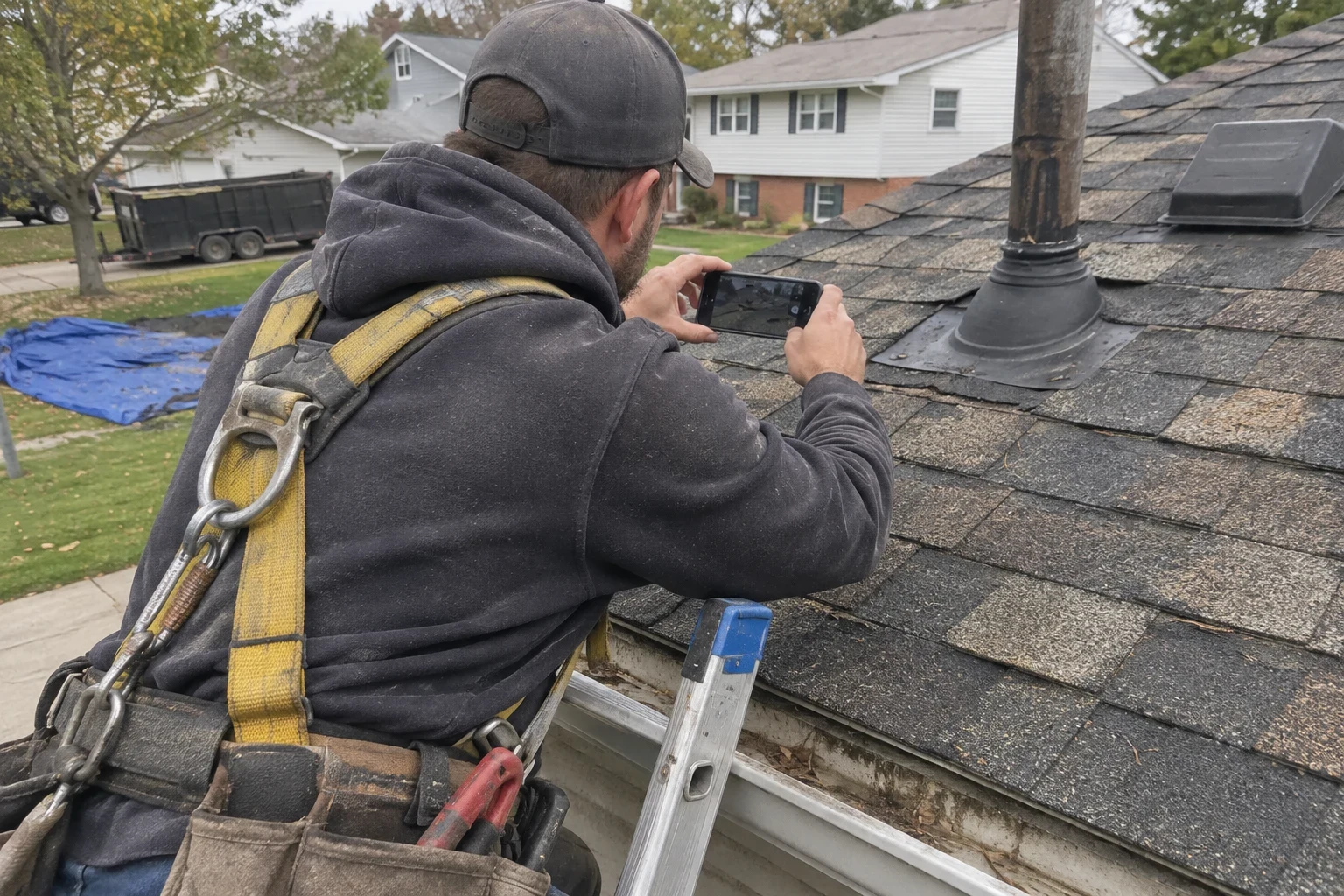
Old shingles and underlayment come off completely so the decking is in plain view. We replace soft or rotted boards first, and you get pictures of every problem spot.
Ice and water barrier
We lay a self-sealing membrane at the eaves, through the valleys and around pipes and vents. Those are the spots where meltwater and wind-blown rain most often sneak beneath shingles.
Synthetic underlayment
Everywhere else on the deck, we use synthetic underlayment. It stands up to an unexpected shower during the job far better than the old felt paper did.
Ridge and soffit ventilation
We look at how air enters and leaves your attic and fix any imbalance. Open soffit intakes working with a ridge vent push summer heat out and stop winter condensation from building up under the deck.
New flashing and drip edge
Every chimney, wall, skylight and pipe boot gets new flashing rather than reused, worn metal. Drip edge at the roof's edge steers water into the gutters instead of behind them.
Shingle and color choice
Most people go with architectural shingles because they are thicker and stand up to wind better. Lighter shades bounce back more sunlight and can help an attic run cooler, and we bring samples so you can compare.
Signs your shingles are ready to be replaced
- Granules in the gutters
- Those sandy bits protect the asphalt from the sun. When you find handfuls in the downspouts, the shingles are wearing thin.
- Curling or cupped edges
- Shingles that curl up at the corners or sink in the middle have lost flexibility, often from years of attic heat beneath them.
- Ice dams every winter
- Thick ridges of ice at the eaves usually point to warm air escaping into the attic. A new roof with proper ventilation, paired with attention to attic insulation, can stop the cycle.
- Upstairs rooms that are hard to cool
- If the second floor stays several degrees warmer than the rest of the house in summer, an overheated attic is a common cause.
- Missing shingles after wind
- A few blown-off tabs can be repaired. Repeated losses mean the sealant strips have aged out across the whole roof.
How the job goes, start to finish
- 1
Free inspection
We check the roof surface, the attic and the airflow, then tell you honestly whether repair or replacement fits. You receive a written estimate broken out line by line, and there's no push to sign that day.
- 2
Permit and scheduling
Where the city requires a permit, we pull it, then pick an install date with the forecast in mind. Shingles bond best in mild weather, so timing matters.
- 3
Protecting your home
Ahead of tear-off, we drape plants and shrubs, run tarps along the siding and park the dumpster where you can still get in and out of the driveway.
- 4
Install day
On most shingle jobs, the old roof comes off and the new underlayment goes down the same day, so your home is never exposed overnight. We move one section at a time and let you know right away if we uncover bad decking.
- 5
Cleanup and walkthrough
Magnetic sweepers go over the lawn, beds and driveway to pick up stray nails, and all the debris leaves with us. Then we go over the finished roof together and answer any questions.
What affects the price of a shingle roof
No two roofs measure or wear the same way, which is why we write up your estimate after the inspection rather than quoting a number over the phone. The items below are what push that estimate up or down. If spreading out the cost would help, financing is available.
- Roof size and pitch
- A bigger roof takes more bundles of shingles and more hours of labor. On a steep pitch, our crew works in harnesses and moves at a slower pace, and those extra hours show up in the estimate.
- Old layers coming off
- Removing two layers of old shingles means more labor and more weight to haul to the landfill than removing one.
- Condition of the decking
- Any plywood that has rotted or started to separate must be swapped out before the new roof goes on. We tally each sheet and take pictures, so the reason behind the line item is clear.
- Ventilation upgrades
- Cutting in a ridge vent or clearing blocked soffits adds a modest amount to the job. That spending often comes back to you as a cooler attic and shingles that age more slowly.
- Shingle line and roof details
- Higher-end shingle lines cost more per bundle, and every chimney, skylight or extra valley adds flashing work and time.
Shingle roofing questions we hear often
- Can you put new shingles over my old ones?
- Some codes permit a second layer, but we seldom suggest it. Overlaying covers up the deck so problems stay hidden, holds extra heat in the roof and puts more weight on the framing. A full tear-off lets us repair soft spots and lay the ice barrier where it belongs.
- Will a new shingle roof lower my energy bills?
- It can make a difference, mainly through improved attic ventilation and a lighter shingle color if you pick one. Your insulation and heating and cooling equipment play a big part too, so we won't quote you a savings figure. A lot of homeowners tell us their upstairs rooms feel easier to keep comfortable in summer.
- How long does a shingle roof take to install?
- Most houses are done in one to two days. A large or steep roof, or a lot of rotted decking, can stretch that out. You will hear the expected schedule from us ahead of time, and we keep you posted if anything changes.
- Do I need to be home during the work?
- No, you don't. Many homeowners like to say hello when the crew pulls up and then walk around the finished roof with us at the end of the job. Stripping the old shingles makes plenty of noise and shakes the walls a bit, so it's wise to take framed pictures and fragile decor down inside before we start.
- Should I choose shingles or metal?
- Shingles are the lower up-front cost and fit most homes well. Metal has a longer lifespan and bounces back more of the sun's heat. Our Metal Roofing page explains that choice, and we're happy to weigh the two with you at your inspection.
See what your roof really needs
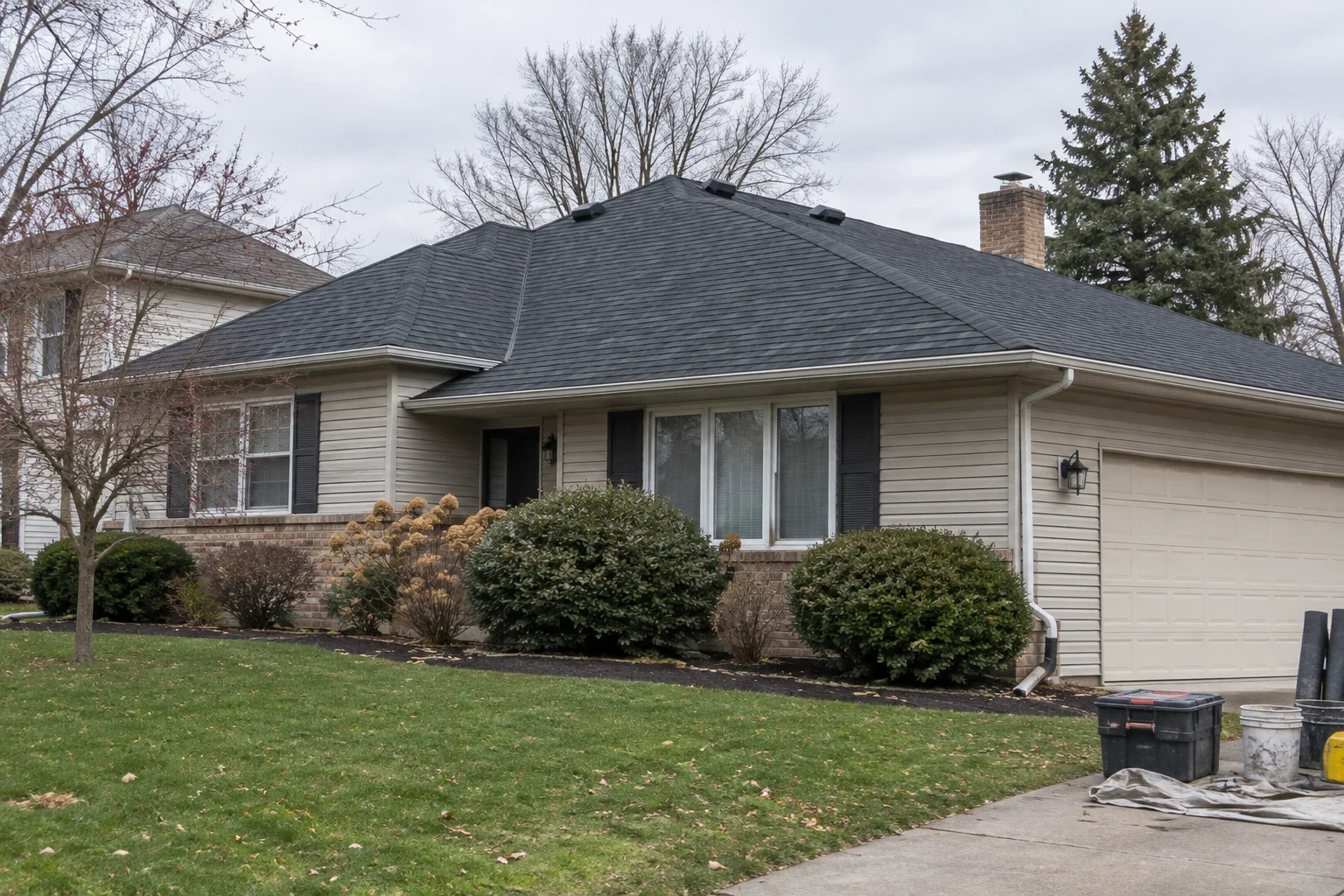
We will check your shingles, decking and attic ventilation, then give you a straight answer and a written estimate. If storm damage is part of the picture, we can work with you and your insurance company on the claim.